Kids Dentistry: a practical parent guide to healthy smiles
If you only remember one thing: kids’ dentistry is mostly prevention, and the earlier you start, the easier (and cheaper) it usually becomes later.
Why baby teeth matter (even though they fall out)
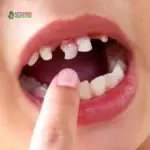
Baby teeth help with chewing, speech development, and holding space for adult teeth. When cavities get ignored, kids can end up with pain, trouble eating/sleeping, and sometimes infections that require urgent treatment.
When should your child first see a dentist?
Many major pediatric and dental health groups recommend the first dental visit within the first year of life (often phrased as “by age 1” or within 6 months of the first tooth).
That first visit is usually quick and focused on prevention: checking growth, spotting early decay risk, and coaching parents on habits.
What to expect at early visits
A good kids-focused appointment typically includes:
- A gentle exam (sometimes “knee-to-knee” with a parent for babies)
- Caries (cavity) risk check + brushing coaching
- Fluoride discussion (based on age and your child’s risk)
- Guidance on habits like bottle/pacifier/thumb sucking
The daily routine that actually works
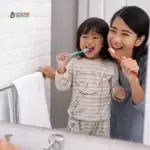
1) Brush twice a day. Consistency beats perfection.
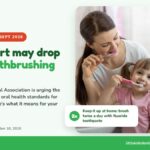
2) Use fluoride toothpaste—but the right amount.
Guidance commonly used in the U.S.:
- Under age 3: a smear about the size of a grain of rice
- Ages 3–6: a pea-sized amount
And adults should supervise to reduce swallowing.
3) Floss when teeth touch.
If there’s no space between teeth, a brush can’t clean there.
4) Make it frictionless.
Same time, same place, same sequence. Kids thrive on “automatic.”
Food and drink: the quiet cavity creators
It’s not just “sugar = bad.” It’s frequency. Sipping juice, sweet tea, or milk for long periods (especially at bedtime) keeps teeth in a constant acid cycle. Water between meals is your best friend.
Sealants: one of the best “bang for buck” preventions
For many kids, sealants on molars can significantly reduce cavities in the deep grooves where brushing misses. Guidelines support sealants for children/adolescents on molars (based on risk and tooth condition).
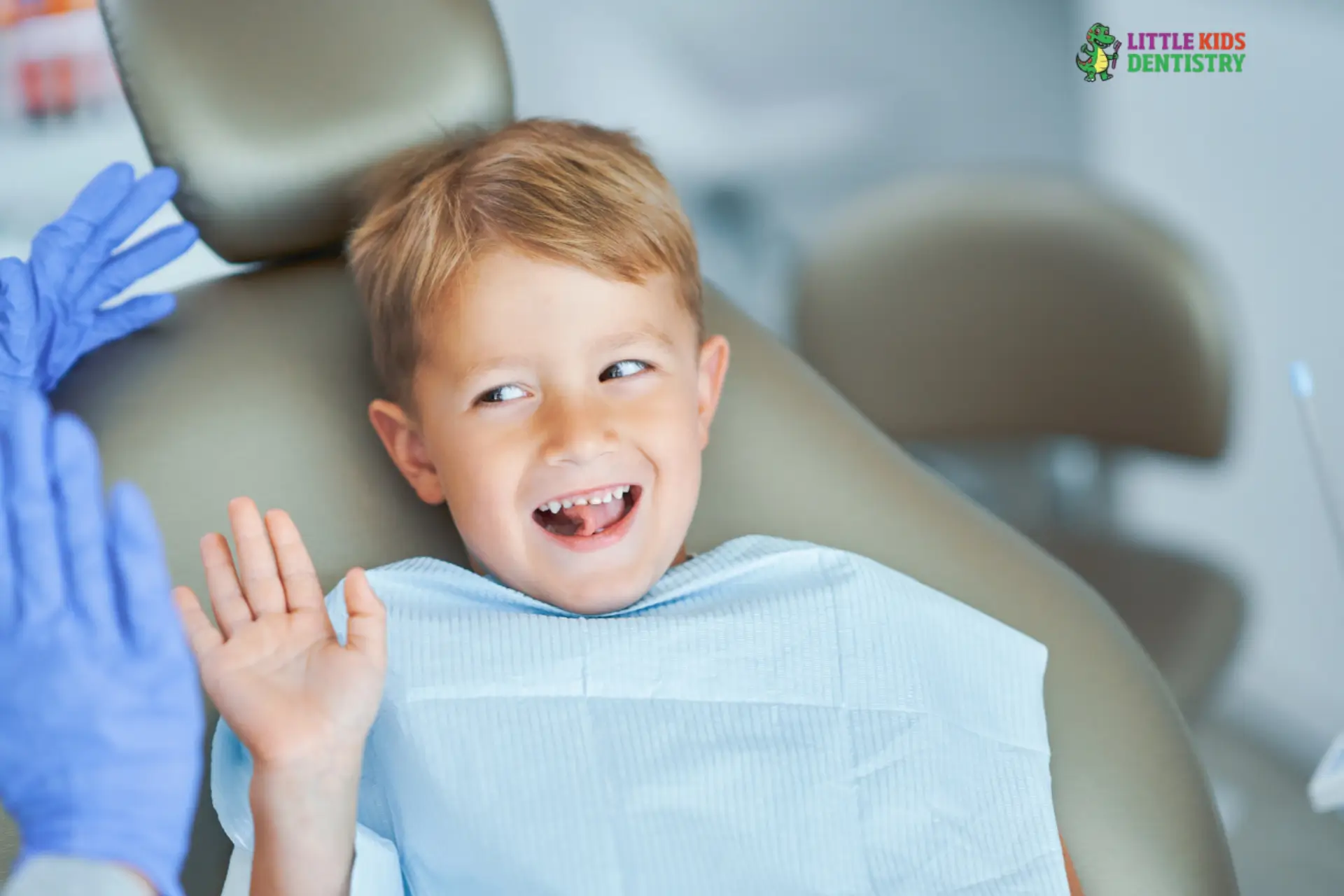
If your child is scared of the dentist
My opinion: don’t “sell” the visit as a big event. The more hype you add, the more fear you accidentally create.
What helps:
- Use neutral language (“the dentist will count your teeth”)
- Avoid sharing your own bad dental stories
- Do a “happy visit” early (before pain exists)
- Let the dental team lead—good pediatric offices have routines for anxiety
Quick “when to go now” checklist
Call a dentist promptly if your child has:
- Tooth pain that wakes them at night
- Facial swelling
- A broken tooth with bleeding
- Fever + tooth pain (can signal infection)