The Power of Preventive Care in Pediatric Health
As a parent, ensuring your child’s well-being is a top priority. While managing day-to-day needs like nutrition, education, and emotional support, it’s easy to overlook one of the most critical aspects of your child’s health—preventive pediatric care. This approach isn’t just about addressing issues as they arise; it’s about creating a foundation for lifelong health and well-being.
What is Preventive Pediatric Care?
Preventive pediatric care focuses on maintaining and monitoring a child’s health to prevent illnesses or detect them early when they are most treatable. This type of care includes regular check-ups, immunizations, screenings, and guidance on healthy lifestyle choices.
Why Start Early?
The early years of a child’s life are critical for growth and development. During this period, their bodies and minds undergo rapid changes. Preventive care during these formative years ensures that any potential health issues are identified and managed before they become serious. For instance, early detection of developmental delays, vision problems, or hearing impairments can significantly improve outcomes through early intervention.
Key Components of Preventive Pediatric Care
- Regular Check-Ups: Routine visits to the pediatrician allow for monitoring your child’s physical and developmental milestones. These check-ups help track growth patterns, assess behavior, and ensure your child is meeting age-appropriate milestones.
- Immunizations: Vaccinations are one of the most effective ways to protect your child from serious diseases. Keeping up with the immunization schedule recommended by your pediatrician ensures that your child is protected from illnesses like measles, whooping cough, and flu.
- Screenings and Assessments: Preventive care includes various screenings for hearing, vision, and other potential developmental issues. Regular assessments help identify conditions that may not be immediately apparent, such as speech delays or learning disabilities.
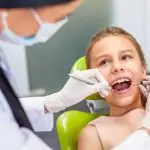
- Dental Care: Pediatric dental visits should begin as soon as your child’s first tooth appears. Early dental care helps prevent tooth decay, establishes healthy oral hygiene habits, and reduces the risk of future dental problems.
- Nutrition and Lifestyle Counseling: Guidance on proper nutrition, physical activity, and sleep is crucial for your child’s overall well-being. Pediatricians provide advice tailored to your child’s age and development stage, ensuring they get the right balance of nutrients and physical activity to support healthy growth.
The Long-Term Benefits
Investing in preventive pediatric care offers numerous long-term benefits for your child. By focusing on prevention, you can reduce the risk of chronic illnesses, ensure proper development, and instill healthy habits that last a lifetime. Moreover, regular interactions with healthcare professionals can help your child feel more comfortable in medical settings, reducing anxiety about future medical visits.
How Parents Can Play a Role
As a parent, you are your child’s first line of defense in preventive care. Here’s how you can actively participate:
- Stay Informed: Keep track of your child’s medical records, vaccination schedules, and developmental milestones. Don’t hesitate to ask questions during pediatric visits.
- Promote Healthy Habits: Encourage a balanced diet, regular physical activity, and good sleep hygiene at home. Lead by example—children often mimic their parents’ habits.
- Stay Up to Date: Pediatric care guidelines can change over time. Stay informed about the latest recommendations from trusted sources like the American Academy of Pediatrics (AAP).
Conclusion
Preventive pediatric care is about more than just keeping your child healthy today—it’s an investment in their future. By prioritizing regular check-ups, vaccinations, and healthy lifestyle choices, you lay the groundwork for a lifetime of good health. Remember, the best time to start preventive care is now, and the benefits will last a lifetime.

More Links: