Dental Cleaning For Kids
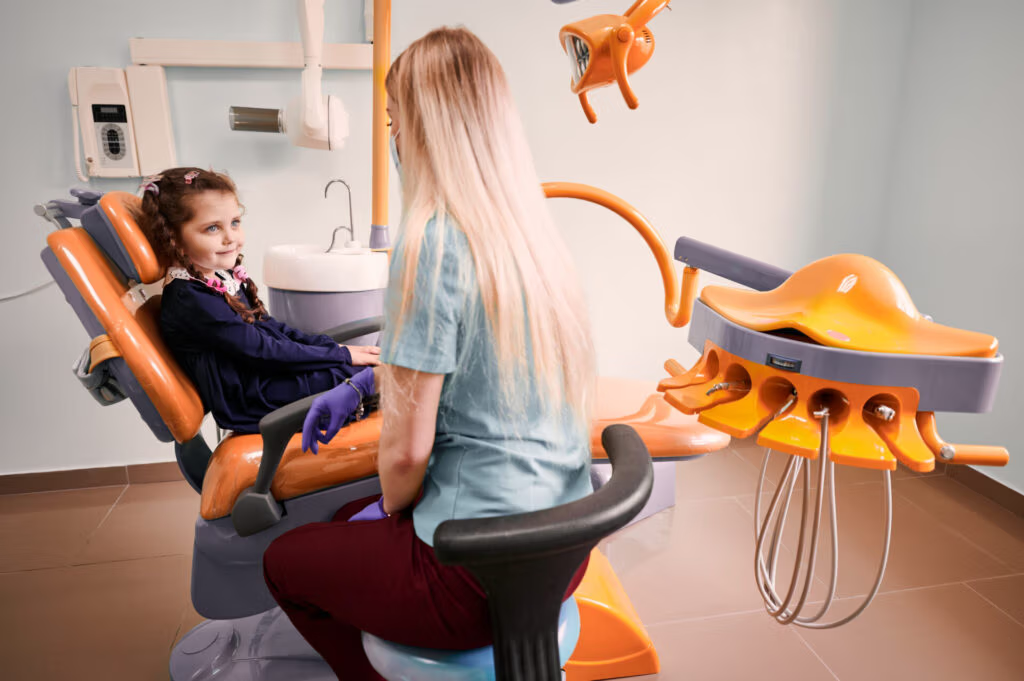
Make Your Child’s Dental Visit a Positive Experience at Little Kids Dentistry in Los Angeles.
At Little Kids Dentistry, we turn every child’s dental cleaning into a fun, stress-free adventure. Our board-certified pediatric dentists in Los Angeles specialize in creating a safe, cheerful environment where kids feel comfortable and confident.
During each visit, we do more than just clean teeth – we remove plaque, prevent cavities, and strengthen enamel to keep your child’s smile healthy and bright. By focusing on gentle care and trust-building, we help children develop lifelong positive habits toward oral health.
Give your child the best start to a lifetime of healthy smiles.
Schedule a pediatric dental cleaning in Los Angeles today and discover why families love Little Kids Dentistry!
What Happens During Your Child's Dental Cleaning?
We’ve tailored our cleaning appointments to be gentle, educational, and engaging for children. Our friendly team will guide your child through each step, explaining what we’re doing in simple, kid-friendly terms.
A regular cleaning and exam at Little Kids Dentistry includes:
A Comprehensive Oral Exam: One of our expert dentists will gently examine your child’s teeth, gums, and bite to ensure everything is developing correctly.
Gentle Plaque & Tartar Removal: We carefully remove harmful plaque and tartar buildup from the tooth surfaces and along the gumline to prevent cavities and gum disease.
Expert Polishing: Using a special, tasty prophy paste, we polish your child’s teeth to leave them feeling smooth, shiny, and bright.
Strengthening Fluoride Treatment: A professional fluoride application is provided to strengthen tooth enamel and provide an extra layer of defense against sugar bugs and decay.
Helpful Home Care Tips: We’ll share personalized tips and demonstrate proper brushing and flossing techniques to empower you and your child to maintain great oral hygiene at home.
Our clinic locations
Make An Appointment
Make an Appointment
Pick the office closest to you to request a visit online, or call us and we will find a time that works for your family. New patients are always welcome, and we accept all PPO insurance plans.
- (866) 553-3368
- Tue–Fri 10 AM–7 PM · Sat 9 AM–4 PM
Dental Cleaning Steps
Dental exam
After a thorough pediatric dental examination of a child, dental teeth cleaning usually follows.
Removing plaque and tartar
It includes the removal of all hard (mineralized) deposits from the surfaces of teeth, followed by teeth polishing with a special dental paste.
Fluoride treatment
The teeth cleaning procedure is concluded by the application of vitamins, also known as topical fluoride, which makes teeth stronger against dental decay.
Memberships



Reviews
6/19/2021
9/26/2025
Frequently Asked Questions
How often does my child need a teeth cleaning?
Just like adults, children benefit most from a professional dental cleaning and check-up every six months. These regular visits allow us to prevent dental problems and monitor your child’s oral development.
Is the fluoride treatment safe for my child?
Absolutely. We use a safe and effective concentration of fluoride that is professionally applied. It is a proven and crucial tool in preventing childhood dental decay.
Why are six-month cleanings so important for kids?
Regular six-month visits are the cornerstone of preventive care. The AAPD recommends this frequency because it allows our dentists to:
Prevent Cavities: Professionally remove plaque and tartar that brushing at home can’t reach.
Catch Issues Early: Identify and address potential problems like demineralization (the first sign of a cavity), bite issues, or gum inflammation when they are small and easier to manage.
Monitor Development: Track the growth and development of your child’s teeth and jaw.
Build Positive Habits: Reinforce good oral hygiene techniques and make visiting the dentist a normal, positive routine.
When should my child have their first dental cleaning?
The American Academy of Pediatric Dentistry recommends a child’s first visit by their first birthday. While this initial visit is more of an exam and introduction, regular cleanings typically begin around age 2 or 3, depending on your child’s individual needs and comfort level.
Why do we need to fix cavities in baby teeth if they're just going to fall out?
This is a fantastic question! Baby teeth play a crucial role in your child’s health and development. The AAPD emphasizes their importance because they:
Hold Space for Adult Teeth: They act as natural placeholders for the permanent teeth growing underneath. Losing a baby tooth too early can cause spacing issues that may require orthodontic treatment later.
Aid in Speech and Chewing: Healthy teeth are essential for proper pronunciation and chewing nutritious foods.
Prevent Pain and Infection: An untreated cavity can lead to a painful infection (abscess) that can damage the developing permanent tooth below.
Are dental X-rays safe for my child?
Yes. We prioritize your child’s safety above all else. We follow the ALARA principle (As Low As Reasonably Achievable) for radiation. This means:
We Use Digital X-rays: These emit up to 90% less radiation than traditional film X-rays.
We Use Protective Gear: Your child will always be covered with a lead apron and thyroid collar for protection.
We Only Take Them When Necessary: We don’t take X-rays at every visit. We only take them when they are essential for diagnosing issues we cannot see with a visual exam, such as cavities between the teeth, infections, or developmental concerns.
My child is very scared of the dentist. How do you handle that?
We understand that dental anxiety is very real for many children. Our entire practice is designed to create a positive, fear-free environment.
Our dentists are trained in advanced behavior guidance techniques like “Tell-Show-Do,” where we explain, demonstrate, and then perform each step. We use positive reinforcement and kid-friendly language.
For children who need extra help to feel comfortable, we also offer safe and effective sedation dentistry options.
Your child’s emotional well-being is as important to us as their dental health.