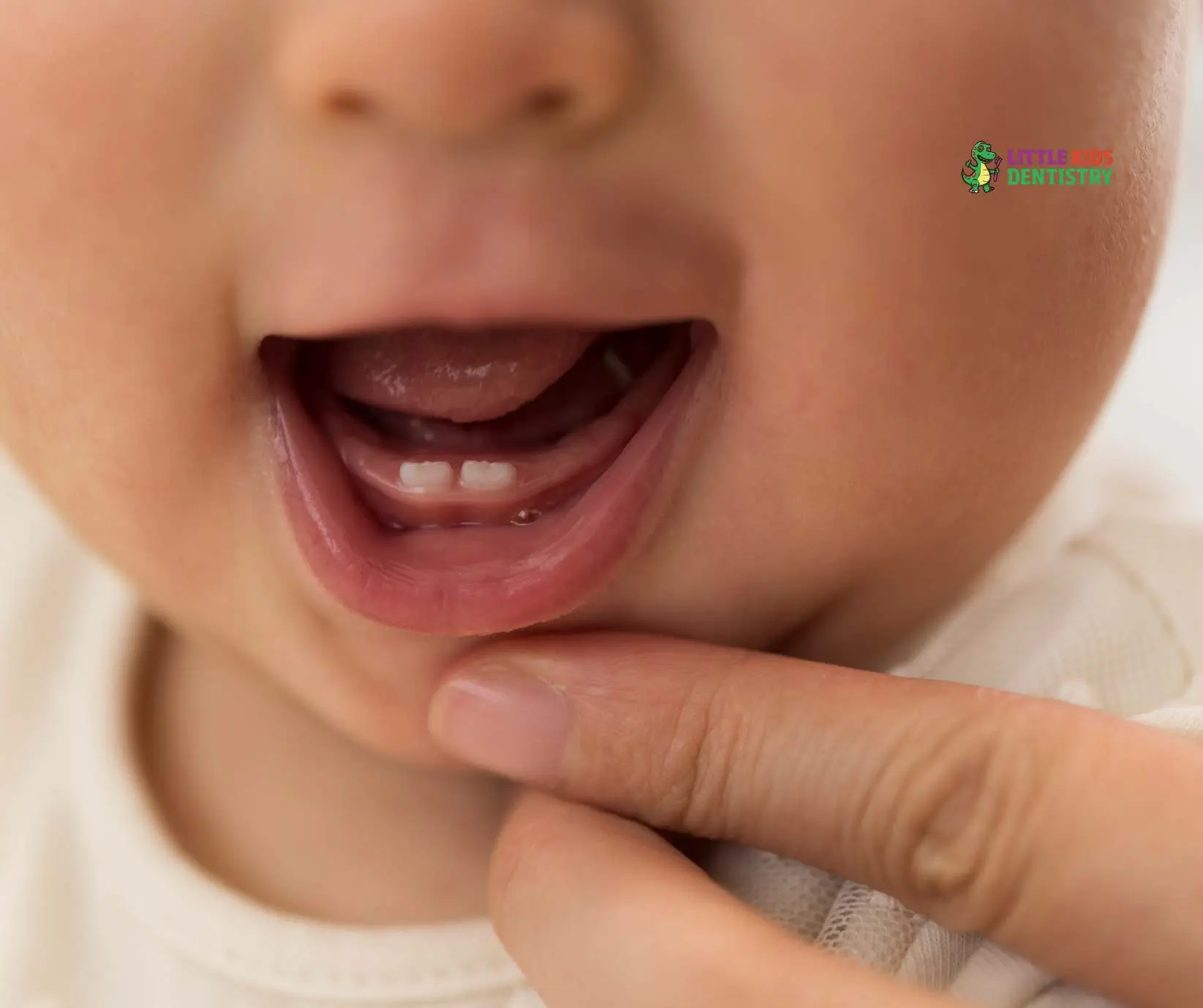
Seeing a baby’s first tooth is an exciting milestone.
Seeing a baby’s first tooth is an exciting milestone. It also marks the beginning of a new responsibility: caring for that tiny tooth from the moment it appears.
Baby teeth are temporary, but their role is extremely important. Starting early helps protect your baby’s comfort, development, and future smile.
Why Baby Teeth Matter
Baby teeth help children bite and chew food, develop clear speech, and maintain space for permanent teeth. Healthy primary teeth also support normal jaw development and allow children to smile comfortably.
The American Dental Association explains that baby teeth help children chew and speak while holding space for adult teeth that will appear later.
Because baby teeth eventually fall out, some parents assume cavities do not require attention. However, decay can cause discomfort and infection and may interfere with eating, sleeping, speaking, playing, and learning.
Caring for the Mouth Before Teeth Appear
Oral care can begin even before the first tooth. Parents can gently wipe the baby’s gums with a clean, soft, damp cloth. This introduces a simple cleaning routine and helps the baby become familiar with having their mouth cared for.
Once the first tooth erupts, begin brushing it gently with a soft, age-appropriate toothbrush. The AAPD recommends brushing baby teeth twice daily with a tiny smear of fluoride toothpaste as soon as they appear.
Use only a small amount and supervise carefully. Your child’s dentist can provide personalized advice based on age, tooth development, fluoride exposure, and cavity risk.
Understanding Teething
Teething may be accompanied by drooling, a desire to chew, and temporary gum discomfort. Babies may become more irritable or have difficulty settling.
A clean, cool teething ring or cool damp cloth may offer comfort. Avoid giving a baby objects that could break, create a choking hazard, or damage the gums.
Not every symptom should automatically be blamed on teething. Contact your child’s healthcare provider when your baby seems significantly unwell, has a high fever, or experiences symptoms that concern you.
Protecting Teeth During Feeding
How often teeth are exposed to sugar matters. Milk, formula, juice, and other sweetened liquids can remain around the teeth when babies fall asleep with a bottle.
Try to avoid putting a baby to bed with a bottle containing anything other than water. As children grow, encourage drinking from an appropriate cup and avoid frequent sipping on sugary beverages throughout the day.
Water is generally the best everyday drink for older babies and children when developmentally appropriate. Your pediatrician and dentist can give guidance based on your child’s age and nutritional needs.
When Should the First Dental Visit Happen?
The AAPD recommends establishing a dental home no later than 12 months of age.
The first visit is not only about finding cavities. It allows the dentist to examine the baby’s mouth, monitor development, and guide parents on brushing, fluoride, feeding habits, teething, and injury prevention.
Early visits also help children become familiar with the dental environment before they associate it with discomfort or an urgent problem.
Watch for Changes
Check your baby’s teeth regularly in good lighting. Healthy teeth may vary slightly in shade, but unusual white, brown, or dark spots should be discussed with a dentist. Also seek professional advice if a tooth is chipped, injured, painful, or surrounded by swollen gums.
Parents should not feel guilty when a concern appears. The most helpful response is to arrange an evaluation and learn what care is appropriate.
A Strong Beginning for a Healthy Smile
Your baby’s first teeth create the foundation for lifelong oral habits. Gentle cleaning, thoughtful feeding routines, and early dental visits can make dental care feel normal from the beginning.
At Little Kids Dentistry, we support parents through every stage—from the first tooth to the first checkup and beyond. Small steps taken today can help protect your child’s comfort, confidence, and smile as they grow.