Mother’s Day: The Smile Mom Builds (and the Habits Kids Keep Forever)
Mother’s Day is a great time to celebrate the obvious things—love, care, patience—but the biggest impact moms make is often the “invisible routine” stuff. In kids dental care, that routine is everything. Most childhood cavities don’t happen because parents don’t care; they happen because life is busy, habits drift, and nobody tells you which small changes matter most.
If you’re a mom reading this: your child’s smile is not luck. It’s built. And the best part is, you don’t need perfection—you need consistency.
The two-minute habit that prevents years of problems
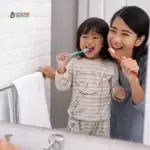
Brushing is simple… until you’re doing it with a toddler who wants to do everything alone. One of the most common misconceptions parents have is that “my kid brushes twice a day” automatically means “my kid is protected.” Most children don’t have the coordination to brush effectively for years. They can brush, sure, but they usually miss the gumline and the back molars—the exact places cavities love.
A practical routine that works:
- Let your child brush first (they feel in control).
- Then you do the “real clean” for 30–60 seconds, focusing on the back teeth and gumline.
- Make it predictable: same time, same place, same short rule.
This small “handoff” approach is one of the easiest ways to reduce cavities without turning brushing into a daily battle.
The real enemy: constant snacking and sipping
Parents often blame candy, but a bigger issue is frequency. Teeth can handle sugar sometimes; they struggle when they’re under attack all day. Juice in a bottle, flavored milk in a sippy cup, crackers every hour, “just one more snack”—these patterns keep the mouth acidic for long periods, giving enamel no chance to recover.
If you want a simple rule that helps:
If it’s not water, keep it to mealtimes.
And if you’re choosing snacks, aim for “teeth-friendly” options more often: cheese, yogurt, eggs, nuts (age-appropriate), veggies, and whole fruits instead of sticky dried fruits.
The Mother’s Day mindset shift: prevention beats repair
A kids dentist isn’t only for fixing problems. Modern pediatric dentistry is heavily prevention-focused—meaning your child’s appointment should include a plan, not just a cleaning. Two prevention tools are especially important for many kids:
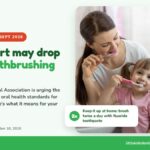
Fluoride varnish can strengthen enamel and lower cavity risk, especially for children who are cavity-prone or still learning good brushing.
Sealants protect the deep grooves on permanent molars—areas that trap food and are notoriously hard to clean. Many cavities start there, even in kids who “brush fine.”
A good children’s dentist will tell you if your child is a good candidate and what timing makes sense.
The “first dental visit” isn’t about teeth—it’s about fear
If your child’s first dental memory is “pain” or “scary,” it can turn into avoidance for years. If their first memory is “friendly, quick, and safe,” you’ve already won. That’s why many pediatric dentists focus on behavior, comfort, and building trust before doing anything complicated.
If your child is nervous, say it out loud. A good kids dentistry team will adjust the pace, explain everything in child language, and make the visit feel predictable. That’s not “extra.” That’s the foundation of a lifetime of good dental habits.
A Mother’s Day idea that actually helps
If you’re looking for a meaningful Mother’s Day gift idea (for yourself and your child), do something that creates momentum:
- Schedule a calm checkup with a pediatric dentist.
- Ask for a simple, realistic home plan (brush routine, snack swaps, prevention tools).
- Keep it easy for 2–3 weeks.
That’s it. Not a perfect lifestyle overhaul. Just a small reset that compounds.
Because in the end, kids don’t copy our advice—they copy our routines. And the smile your child keeps at 16, 26, and 36 is built by the small decisions you repeat today.