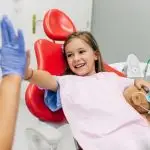
Walking into a dental office can feel unfamiliar to a child.
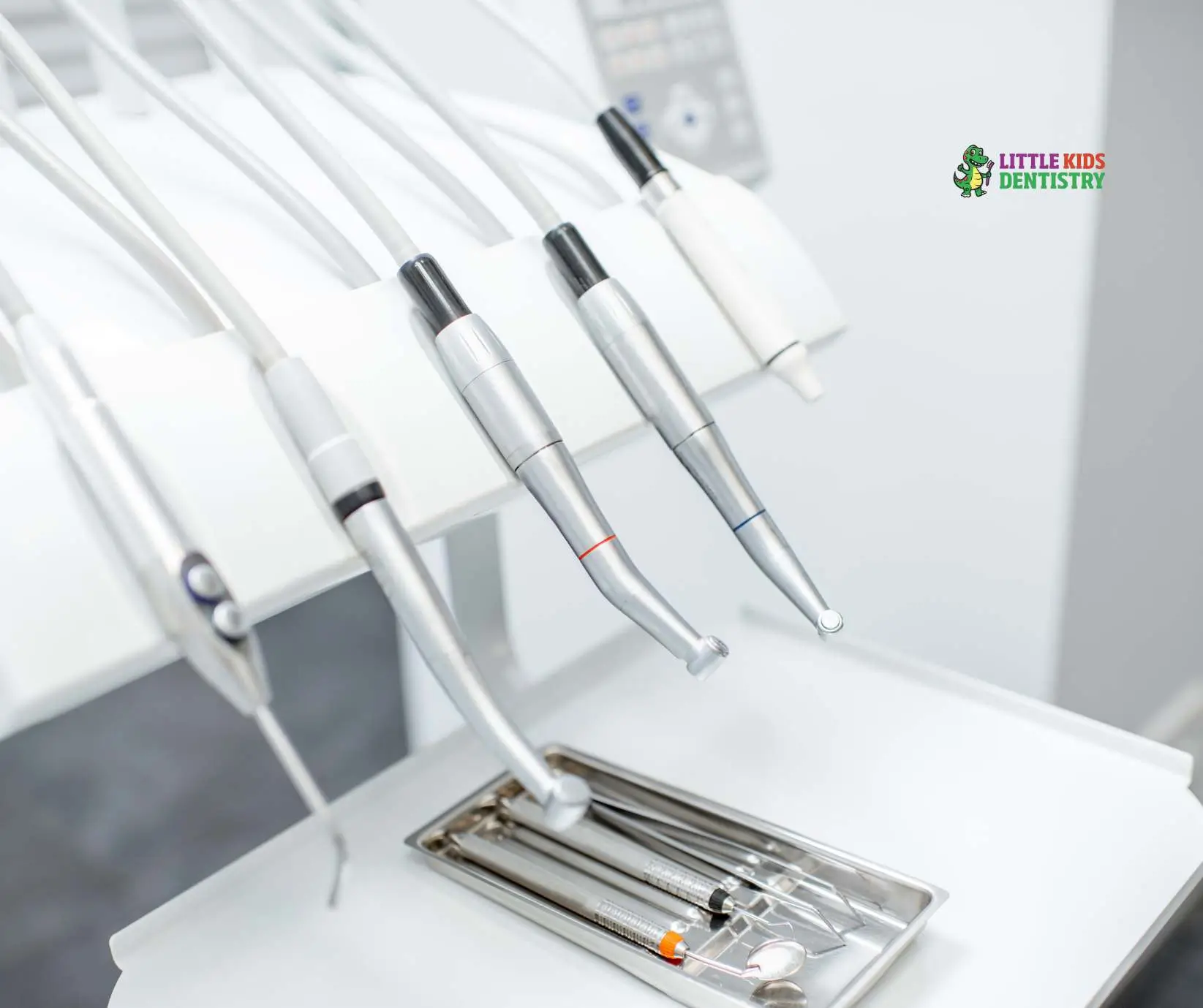
Walking into a dental office can feel unfamiliar to a child. The equipment, sounds, lights, and instruments may look intimidating at first. However, each tool has a specific purpose: helping the dental team examine, clean, protect, and care for your child’s smile as comfortably as possible.
At Little Kids Dentistry, we believe children feel more relaxed when dental care is introduced in a calm, friendly, and age-appropriate way.
Why Pediatric Dental Equipment Matters
Pediatric dentists use specially selected tools to examine children’s teeth and gums. During a regular visit, the dentist may use a small mirror to see different areas of the mouth, a gentle air-and-water tool to keep teeth clean and dry, and other instruments to carefully check for possible concerns.
Although some tools may make sounds, they should not automatically be associated with pain. A child-friendly dental team can introduce each instrument slowly, explain what it does using simple language, and give the child time to become comfortable.
The American Academy of Pediatric Dentistry recognizes behavior guidance as an important part of pediatric care. Its purpose includes reducing anxiety, encouraging a positive attitude toward dentistry, and allowing treatment to be completed safely.
What Happens During a Routine Checkup?
A typical pediatric dental visit may include an examination of the teeth, gums, bite, and overall oral development. The dentist may also clean the teeth and discuss brushing, diet, fluoride, or other preventive steps based on the child’s individual needs.
The exact experience will depend on the child’s age, dental history, comfort level, and oral health. Some children are immediately curious about the equipment, while others need extra time and reassurance. Both reactions are completely understandable.
Parents can help by describing the visit positively before the appointment. Instead of using words that might create fear, explain that the dentist will count, clean, and check the child’s teeth. Avoid promising that “nothing will happen,” because the child may interpret normal cleaning sensations or unfamiliar sounds as something unexpected.
Prevention Is the Main Goal
Dental instruments are not only used when something is wrong. They are also essential for prevention. Regular examinations allow the dental team to monitor how a child’s teeth are developing and identify areas that may require additional attention.
The CDC explains that cavities can often be prevented through habits such as brushing with fluoride toothpaste and receiving professional preventive care when appropriate.
By visiting regularly, families can receive guidance tailored to their child rather than waiting until discomfort appears. Preventive appointments also give parents an opportunity to ask questions about brushing difficulties, thumb-sucking, teething, diet, or changes in the child’s mouth.
Creating a Positive Relationship With Dentistry
A child’s early experiences can influence how they approach dental visits in the future. When appointments feel predictable, respectful, and supportive, children can gradually build confidence.
Parents can strengthen this process by staying calm, using encouraging language, and celebrating cooperation rather than expecting perfection. A successful visit does not always mean completing every possible procedure. For a nervous young child, simply sitting in the chair, meeting the team, and allowing a short examination may be meaningful progress.
The AAPD recommends establishing a dental home no later than 12 months of age. A dental home provides continuing preventive and comprehensive oral healthcare as a child grows.
Gentle Care for Every Little Smile
Modern dental care combines professional equipment with something equally important: patience. Tools help the dentist perform the clinical work, but kindness and communication help children feel secure.
At Little Kids Dentistry, our goal is to make every visit understandable, comfortable, and encouraging. By introducing children to dental care early and positively, families can help turn unfamiliar equipment into a normal part of protecting a healthy smile.