
Can Kids’ Cavities Be Treated Without Drilling? What Parents Should Know About SDF
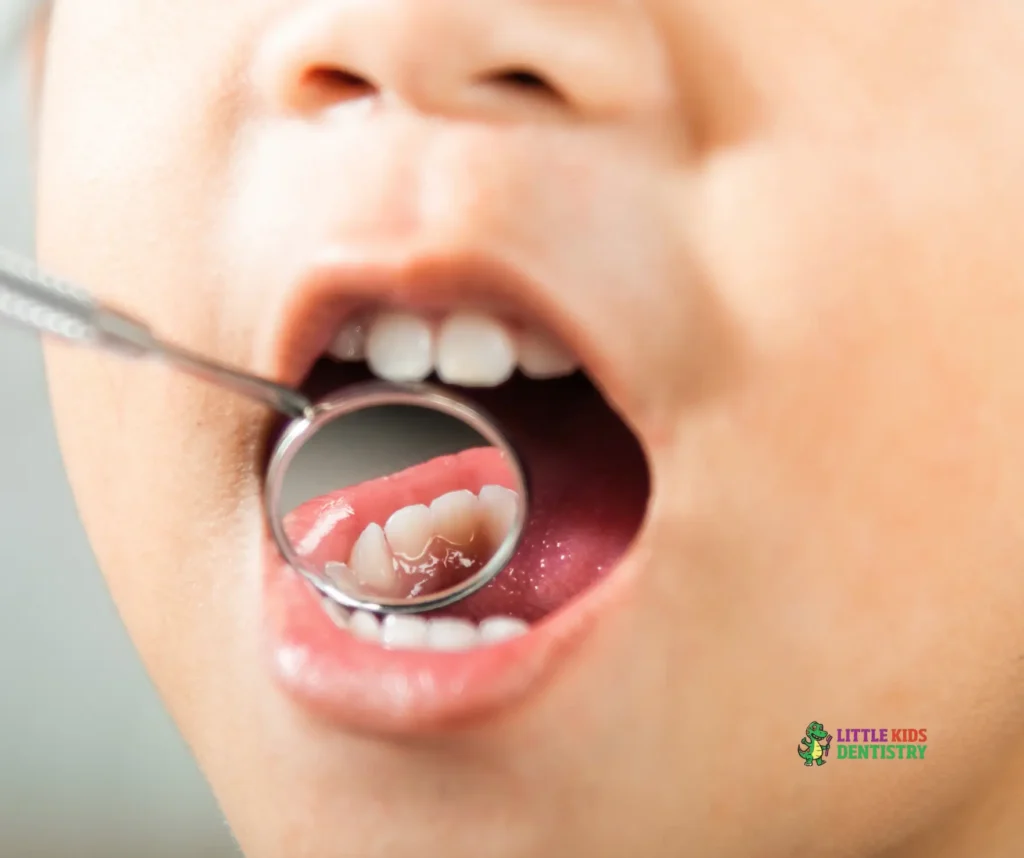
Hearing the word “cavity” at your child’s dental appointment can immediately bring images of drilling, fillings, and a nervous child sitting in the dental chair.
But modern pediatric dentistry has increasingly focused on minimally invasive approaches when they are appropriate.
One treatment parents may hear about is Silver Diamine Fluoride, commonly called SDF.
In certain situations, SDF can help slow or stop tooth decay without immediately drilling the tooth.
What Is Silver Diamine Fluoride?
Silver diamine fluoride is a liquid dental treatment applied directly to areas affected by tooth decay.
It combines components that help fight cavity-causing bacteria and strengthen tooth structure.
The American Academy of Pediatric Dentistry supports SDF as part of an individualized cavity-management plan and recognizes it as a minimally invasive option that may help prevent or delay more extensive dental procedures in appropriate cases.
SDF has become especially interesting in pediatric dentistry because treating very young or anxious children can sometimes be challenging.
The application itself is usually relatively quick.
Does SDF Remove the Cavity?
This is an important distinction.
SDF does not rebuild a damaged tooth or make the cavity disappear.
Instead, its purpose is generally to arrest—or stop—the progression of certain cavities.
Depending on the child and the tooth involved, additional dental treatment may eventually be necessary.
Your pediatric dentist will consider factors such as your child’s age, cavity risk, location of the cavity, condition of the tooth, cooperation level, and whether the tooth is a baby or permanent tooth before recommending treatment.
SDF should therefore be viewed as one tool within a larger dental treatment plan rather than a universal replacement for fillings.
One Important Side Effect Parents Should Know
The biggest cosmetic consideration with SDF is something parents should understand before treatment:
The decayed portion of the tooth can turn dark or black.
Healthy tooth structure generally does not become black in the same way, but the area affected by decay can darken significantly.
For a cavity toward the back of the mouth, parents may feel the cosmetic tradeoff is worth considering if it allows treatment to be managed less invasively.
For highly visible front teeth, appearance may be a bigger concern.
This is why discussing the advantages and disadvantages with your child’s dentist is important.
Which Children Might Benefit?
SDF can be particularly useful in situations where completing traditional dental treatment is difficult or where controlling decay before additional treatment would be beneficial.
For example, a dentist may consider SDF for some:
- Very young children
- Children with significant dental anxiety
- Children with multiple cavities
- Children with special health care needs
- Teeth where delaying more invasive treatment may be helpful
However, SDF isn’t appropriate for every cavity.
A tooth with significant structural damage, symptoms suggesting deeper infection, or other complications may require a different treatment.
The AAPD’s evidence-based guidance specifically addresses SDF as an option for managing cavitated lesions in primary teeth while emphasizing individualized professional decision-making.
Prevention Still Comes First
Even when SDF successfully stops a cavity from progressing, the underlying factors that contributed to tooth decay still need attention.
That means continuing to brush twice daily with fluoride toothpaste, improving brushing technique, limiting frequent sugary snacks and drinks, and keeping regular dental appointments.
Your child’s dentist may also recommend additional preventive measures depending on their cavity risk.
Modern Pediatric Dentistry Gives Families More Options
A cavity diagnosis doesn’t automatically mean every child will need exactly the same treatment.
Today’s pediatric dentists have several approaches available, and the best option depends on your child’s individual needs.
At Little Kids Dentistry, we believe parents should understand their options and feel comfortable asking questions about their child’s treatment.
If your child has a cavity, ask your pediatric dentist whether minimally invasive approaches such as silver diamine fluoride may be appropriate.
Sometimes protecting a little smile doesn’t begin with a drill—it begins with choosing the right treatment for that particular child.