Children’s teeth are strong, but they still need daily care and protection.
Children’s teeth are strong, but they still need daily care and protection. Some habits may seem harmless at first, but over time they can increase the risk of cavities, tooth pain, gum problems, or changes in how teeth grow. The good news is that most dental problems can be prevented when parents know what to watch for.
One common habit that can hurt children’s teeth is going to bed with a bottle or sippy cup filled with milk, juice, or sweet drinks. When a child falls asleep with these liquids in the mouth, sugar stays on the teeth for a long time. Bacteria use that sugar to create acid, which can lead to cavities. This is sometimes called baby bottle tooth decay. Water is the safest drink near bedtime after brushing.
Frequent snacking can also affect teeth. Snacks like crackers, cookies, candy, dried fruit, and chips can stick to the teeth. If a child snacks all day, the teeth are exposed to food and acid again and again. This gives the mouth less time to recover. It is better to have planned snack times and offer tooth-friendly choices like cheese, yogurt, fresh fruit, vegetables, or nuts when age-appropriate.
Juice is another habit parents should be careful with. Many families think juice is healthy because it comes from fruit, but juice can still contain a lot of sugar. Even 100% fruit juice can increase cavity risk if children drink it often. Whole fruit is usually a better choice because it has fiber and is less likely to coat the teeth in sugar. Water should be the main drink between meals.
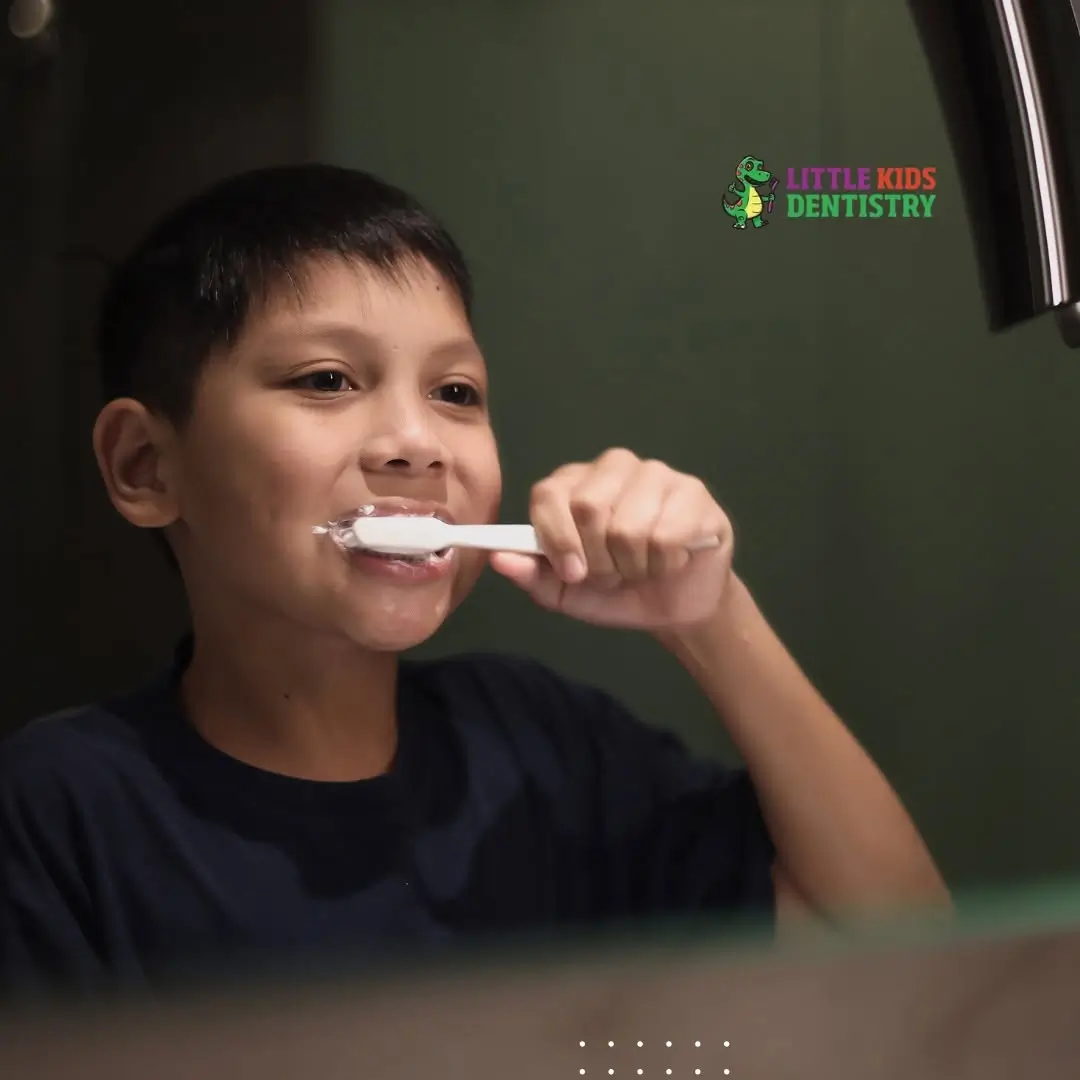
Skipping nighttime brushing is one of the biggest problems for children’s teeth. Brushing in the morning is important, but brushing before bed is especially important because saliva flow slows down during sleep. Saliva helps protect the teeth, so when children go to bed with food or sugar on their teeth, cavities can develop more easily. Nighttime brushing should be a non-negotiable part of the bedtime routine.
Thumb-sucking and pacifier use can also become a concern if they continue for too long. These habits are normal for babies and young toddlers, and they often provide comfort. However, if thumb-sucking or pacifier use continues as permanent teeth begin to come in, it may affect tooth position, bite, or jaw development. Parents should speak with a pediatric dentist if the habit continues beyond the toddler years or seems intense.
Another habit that can hurt teeth is using teeth as tools. Some children bite tags, open packages, chew pencils, or crack hard objects with their teeth. Teeth are made for eating, not for opening things. Chewing on hard objects can cause chips, cracks, or soreness. Parents can gently remind children that teeth should be protected, just like any other important part of the body.
Mouth breathing can also affect oral health. Children who often breathe through their mouth may have dry mouth, bad breath, or gum irritation. Dry mouth can increase the risk of cavities because saliva helps wash away bacteria and food particles. Mouth breathing may be connected to allergies, enlarged tonsils, or airway issues, so it is worth discussing with a dentist or pediatrician.
Not drinking enough water can also make dental problems more likely. Water helps rinse the mouth and supports saliva production. If the local water contains fluoride, it may also help strengthen teeth. Encouraging children to drink water after meals and snacks is a simple habit that supports a healthier smile.
Parents should also be careful with sports and active play. Children who play contact sports or activities with a risk of falling may need a mouthguard. A mouthguard can protect teeth from chips, breaks, or injuries. Dental injuries can be painful and expensive, so prevention is always better.
The best way to protect children’s teeth is to build simple daily routines: brush twice a day, floss when teeth touch, drink plenty of water, limit sugary snacks and drinks, and visit the dentist regularly. Parents do not need to be perfect. Small improvements can make a big difference.
Healthy dental habits in childhood can shape a child’s future smile. By avoiding harmful habits early, parents can help children prevent pain, feel more confident, and enjoy stronger teeth for years to come.