Children learn about the world through play.
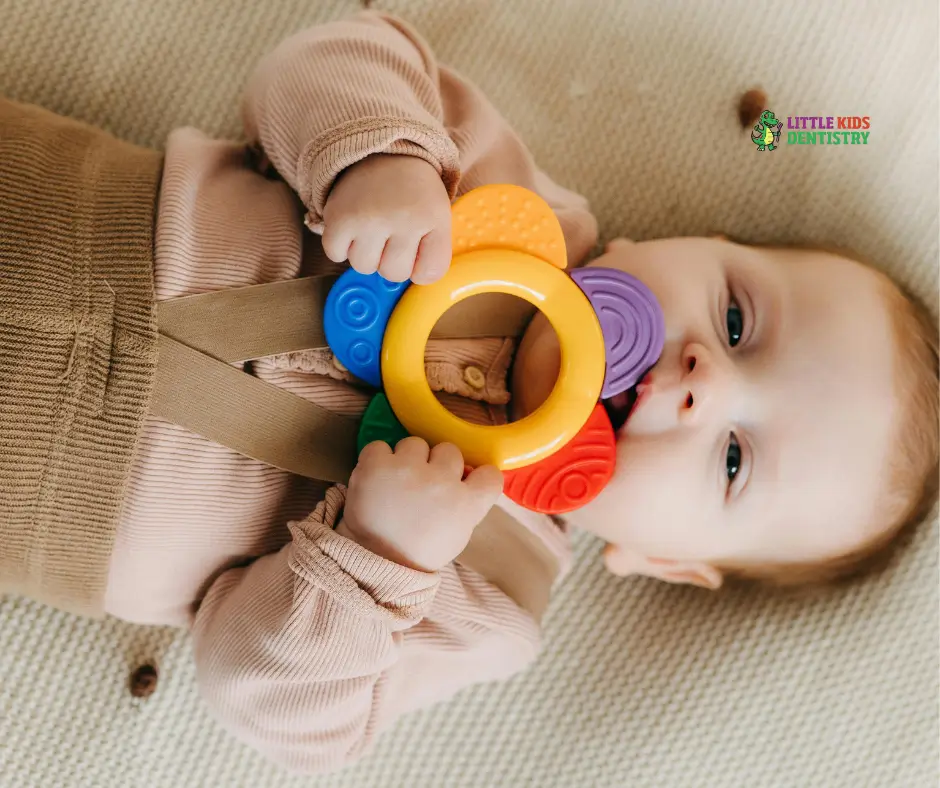
Children learn about the world through play. They touch, hold, throw, taste, and often put toys in their mouth. For babies and toddlers especially, chewing on toys is a normal part of development. It can help them explore textures, calm sore gums during teething, and feel comfort. But not every toy is safe for a child’s teeth.
Many parents carefully check whether toys are colorful, fun, or age-appropriate, but they may not always think about how toys affect the teeth and gums. Some toys can be too hard, too small, poorly made, or difficult to clean. These details matter because children’s teeth are still developing and can be more sensitive to damage.
One of the biggest risks comes from very hard toys. Hard plastic, metal toys, building blocks, toy cars, and small accessories can cause problems if a child bites down strongly. Baby teeth may look small, but they still need protection. Biting hard objects can lead to tiny cracks, tooth pain, gum injuries, or even broken teeth.
Sharp edges are another concern. Some toys may have corners, damaged parts, or rough plastic edges. When children chew or fall while holding these toys in their mouth, they can hurt their gums, lips, tongue, or teeth. That is why parents should regularly check toys for broken pieces or damaged surfaces.
Small parts are also dangerous. Besides being a choking risk, small objects can get stuck between teeth or injure the mouth. Toys with detachable pieces, buttons, beads, magnets, or tiny accessories should always be used according to the child’s age. If a toy is not recommended for your child’s age group, it is better to avoid it.
Cleanliness is just as important. Children often drop toys on the floor, share them with other kids, or carry them outdoors. When these toys go into the mouth, bacteria can easily transfer to the gums and teeth. Toys that are used for chewing should be easy to wash and made from safe, non-toxic materials.
Teething toys are a better option for babies, but they should also be chosen carefully. Look for soft, flexible, and age-appropriate teethers. Avoid toys that are too hard or filled with unknown liquids. A good teething toy should be gentle on the gums and simple to clean.
Parents should also avoid letting children chew on household items like keys, pens, phone cases, remote controls, or plastic packaging. These objects are not designed for chewing and may contain dirt, chemicals, or hard materials that can damage teeth.
Another common habit is chewing on toys during screen time or while sitting in a stroller. When children are distracted, parents may not notice how long or how strongly they are chewing. Over time, this can become a habit. If your child often bites toys, try to redirect them to safer options, especially during teething.
It is also helpful to teach older children that toys are for playing, not chewing. This should be done calmly, without scaring them. Simple phrases like “Let’s keep toys out of the mouth” or “This toy is for hands, not teeth” can help build awareness.
Safe play does not mean limiting fun. It means choosing toys that support healthy development without putting your child’s mouth at risk. Soft toys, age-appropriate teething rings, washable materials, and rounded edges are usually better choices for young children.
Parents should also remember that regular dental checkups can help detect early signs of damage. If a child has a chipped tooth, gum injury, pain while chewing, or sensitivity after biting a toy, it is better to visit a dentist instead of waiting.
Toys are an important part of childhood. They help children grow, imagine, and explore. But the safest toys are the ones that protect both playtime and health.
A little attention today can help protect your child’s smile for tomorrow