Many parents think baby teeth are not very important because they eventually fall out. It sounds logical at first: if these teeth are temporary, why worry too much about them? But baby teeth play a much bigger role in a child’s health and development than many people realize.
Baby teeth help children chew food properly, speak clearly, smile with confidence, and save space for adult teeth. When baby teeth are healthy, they support a child’s overall comfort, growth, and daily routine. When they are not cared for, small dental problems can quickly turn into pain, infection, or future orthodontic issues.
One of the most important jobs of baby teeth is helping children eat well. Strong teeth allow kids to chew fruits, vegetables, meats, grains, and other healthy foods. If a child has tooth pain or cavities, they may avoid certain foods, chew only on one side, or become picky eaters. This can affect nutrition and make mealtimes stressful for both the child and parent.
Baby teeth also help with speech development. Children use their teeth, tongue, lips, and jaw together to form sounds. Missing or damaged front teeth can make it harder to pronounce certain words clearly. While many speech issues are temporary, keeping baby teeth healthy supports normal language development during an important stage of childhood.
Another major role of baby teeth is saving space for permanent teeth. Each baby tooth acts like a natural placeholder. If a baby tooth is lost too early because of decay or infection, nearby teeth may shift into the empty space. Later, when the adult tooth tries to come in, there may not be enough room. This can lead to crowding, crooked teeth, or the need for orthodontic treatment.
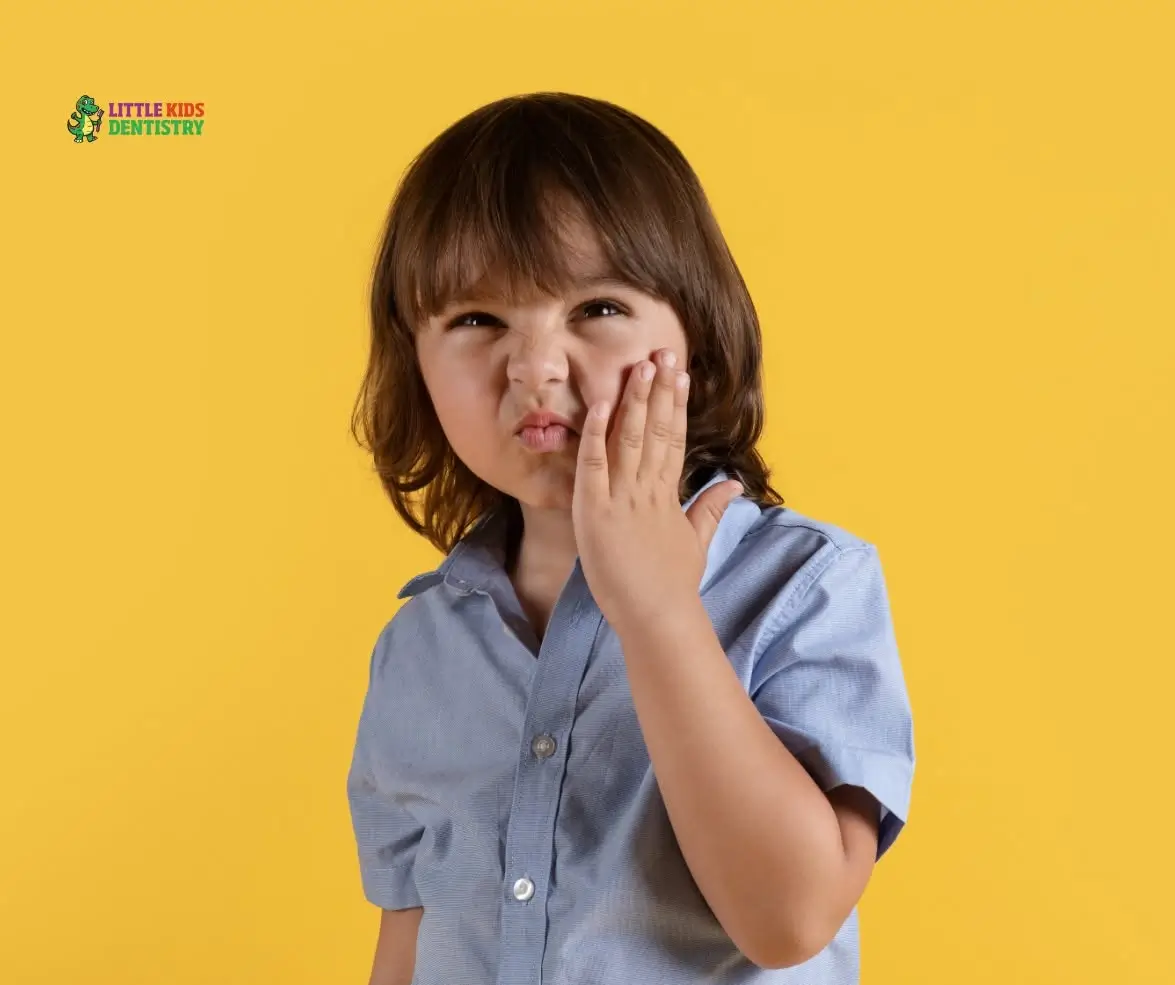
Cavities in baby teeth should never be ignored. A cavity is not just a small dark spot; it is an active infection that can grow deeper into the tooth. If untreated, it may cause pain, swelling, trouble sleeping, difficulty eating, and even infection that spreads beyond the tooth.
Children do not always know how to explain dental pain, so parents may notice mood changes, crying during meals, or avoiding brushing.
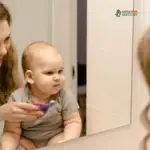
Good dental habits should begin early. Parents can start cleaning a baby’s gums before teeth appear by gently wiping them with a soft, damp cloth. Once the first tooth comes in, brushing should begin with a small, soft toothbrush. As children grow, parents should continue helping with brushing because young kids usually do not have the hand skills to clean every tooth properly on their own.
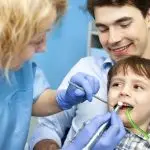
Regular dental visits are also important. A pediatric dentist can check tooth development, look for early signs of cavities, guide parents on brushing and fluoride, and help children feel comfortable in the dental office. Early visits can prevent fear because the child learns that the dentist is a normal and friendly part of staying healthy.
Parents can protect baby teeth by limiting sugary snacks and drinks, avoiding bedtime bottles with milk or juice, encouraging water between meals, and brushing twice a day. Healthy routines do not need to be complicated. Small daily habits make a big difference over time.
Baby teeth may be temporary, but their impact is long-lasting. They help children eat, speak, smile, and grow properly. Taking care of them early gives children a stronger foundation for a healthy mouth and a more confident smile in the future.