For many parents, getting children to brush their teeth can feel like a daily battle.
For many parents, getting children to brush their teeth can feel like a daily battle. Some kids run away, some complain, and others brush for only a few seconds before saying they are done. The good news is that brushing does not have to feel like a boring rule. With a little creativity, parents can turn toothbrushing into a fun and positive habit.
The first step is to make brushing feel like part of a routine, not a punishment. Children respond well to routines because they know what to expect. Brushing should happen every morning and every night, around the same time each day. For example, nighttime brushing can come after pajamas and before a bedtime story. When brushing becomes part of the normal order of the day, kids are less likely to resist it.
Music is one of the easiest ways to make brushing more enjoyable. Dentists usually recommend brushing for about two minutes, but two minutes can feel long for a child. A fun song can help the time pass quickly. Parents can choose a favorite song, use a brushing timer app, or even sing a silly family brushing song. When the song ends, brushing is done.
Another helpful idea is to let children choose their toothbrush. A colorful toothbrush with a favorite character, animal, or bright design can make a big difference. Some kids also enjoy electric toothbrushes because they feel more exciting. The toothbrush should still be soft and child-sized, but giving children a choice helps them feel more involved.
Toothpaste can also make brushing easier. Many children dislike strong mint flavors. A child-friendly fluoride toothpaste with a mild flavor may be more comfortable. Parents should use the right amount: a tiny smear for children under 3 and a pea-sized amount for children ages 3 and older, unless their dentist gives different instructions.
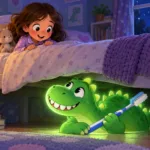
Parents can also turn brushing into a game. For example, tell your child there are “sugar bugs” hiding on their teeth and the toothbrush needs to chase them away. You can ask, “Did we clean the dinosaur teeth in the back?” or “Can you make your lion roar so I can brush the big teeth?” Playful language can reduce stress and make brushing feel less serious.
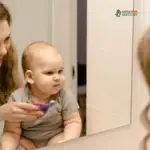
Brushing together as a family is another powerful method. Children love copying adults. If they see parents brushing every day, they are more likely to understand that brushing is not just something kids have to do; it is something everyone does. Parents can stand next to their child and brush at the same time. This also gives the child a good example of how long and how carefully to brush.
Reward charts can work well too, especially for younger children. A simple calendar with stickers can motivate kids to brush twice a day. After a full week of brushing, the reward can be something non-food related, like choosing a bedtime story, picking a family game, or getting extra playtime. The goal is to celebrate consistency, not create pressure.
It is also important for parents to help with brushing. Young children often do not have the coordination to clean all surfaces of their teeth properly. Even if a child wants to brush independently, parents should still check and help, especially at night. A good approach is “you brush first, then I help finish.” This gives the child independence while still making sure the teeth are clean.
Parents should stay calm if brushing does not go perfectly every time. Some days will be easier than others. The goal is to build a long-term habit. If brushing becomes a fight every night, children may start connecting dental care with stress. A patient and playful attitude usually works better than pressure.
Regular dental visits can also support brushing habits. A pediatric dentist can show children how to brush in a friendly way and encourage them to take care of their teeth. Sometimes kids listen better when advice comes from the dentist, especially if the visit is positive and fun.
Brushing teeth can become something children enjoy, or at least accept, when it feels predictable, playful, and encouraging. With songs, games, choices, and family involvement, parents can help kids build healthy habits that last for life.