Brushing twice a day sounds simple, but many parents know it can become one of the most challenging parts of a child’s routine.
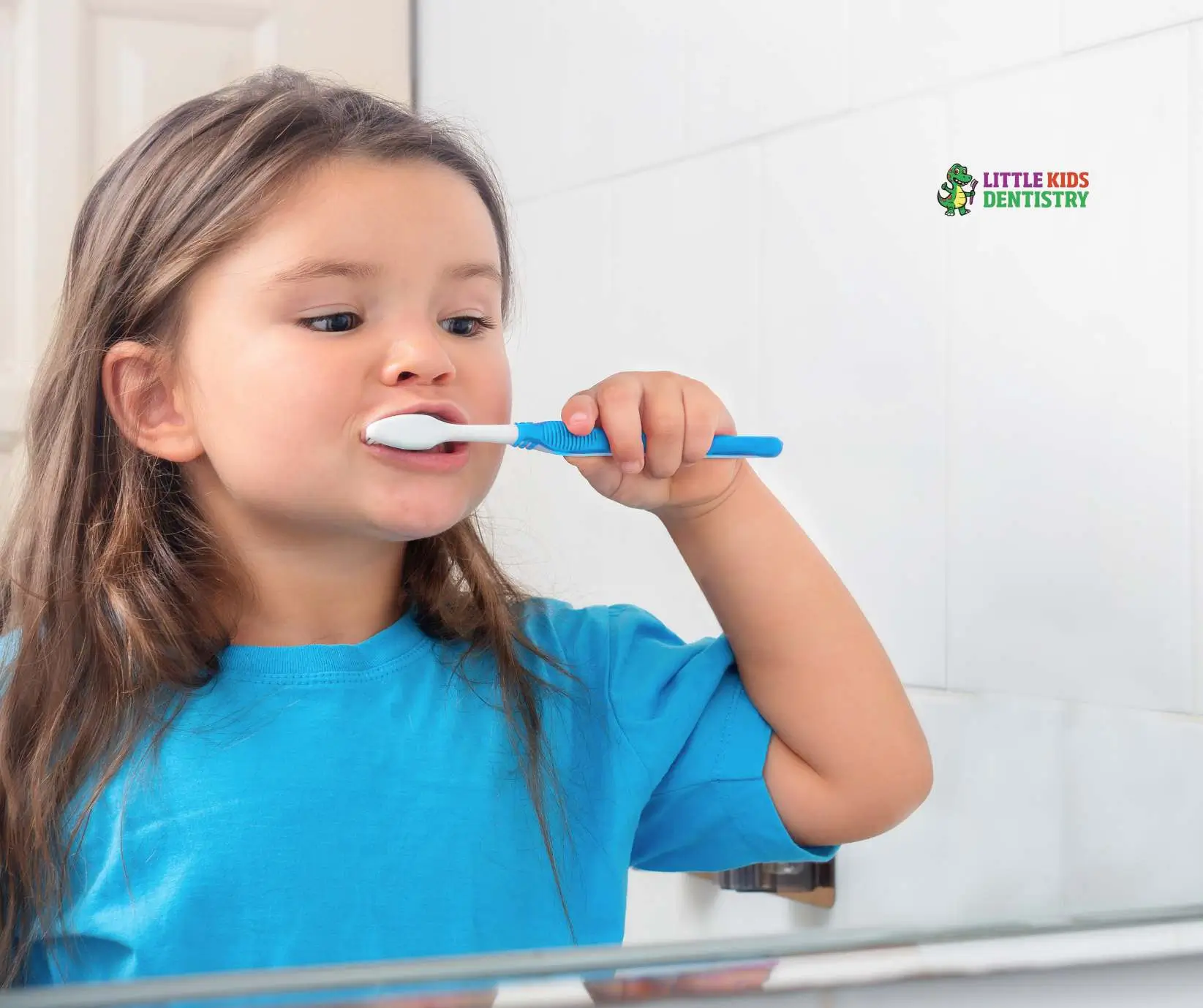
Brushing twice a day sounds simple, but many parents know it can become one of the most challenging parts of a child’s routine. Children may resist, become distracted, rush through brushing, or insist that they can do everything independently.
The goal is not to create a perfect routine immediately. It is to build consistent habits that become easier with time.
Begin With a Predictable Routine
Children often cooperate better when they know what to expect. Try brushing at approximately the same times each day—usually after breakfast and before bed. Connect brushing with familiar activities such as changing into pajamas, reading a bedtime story, or washing the face.
The CDC recommends that children brush twice daily with fluoride toothpaste and receive help until they have developed strong brushing skills.
Keeping the routine consistent teaches children that brushing is not optional or a punishment. It is simply part of taking care of their bodies.
Make Two Minutes Feel Shorter
Two minutes can feel surprisingly long to a young child. A timer, short song, brushing video, or family countdown can make the time more enjoyable.
Parents can also divide the mouth into sections: upper teeth, lower teeth, front teeth, and back teeth. Turning the routine into a simple game helps children focus on cleaning every area instead of quickly brushing only the front teeth.
The CDC’s children’s oral-health activity materials recommend brushing with fluoride toothpaste twice a day for two minutes each time.
Offer Small Choices
Children may resist brushing because they want more independence. Give them control over safe parts of the routine. Let them choose between two toothbrushes, select the brushing song, or decide whether to brush the upper or lower teeth first.
A useful approach is allowing the child to brush independently first and then having the parent complete a final check. This supports independence while ensuring the teeth are cleaned properly.
Young children usually do not yet have the coordination needed to brush effectively without assistance. The AAPD advises parents to perform or help with brushing and recommends a tiny smear of fluoride toothpaste for children younger than three and a pea-sized amount for children ages three to six.
Use Encouragement Instead of Fear
Avoid using cavities, injections, or dental treatment as threats. Statements such as “The dentist will be angry” can make children more afraid of future appointments.
Instead, focus on positive reasons for brushing: keeping teeth strong, removing “sugar bugs,” having fresh breath, and protecting a bright smile.
Praise specific actions. Saying “You opened your mouth really well” or “You brushed the back teeth carefully” is often more effective than simply saying “Good job.”
Sticker charts may also motivate some children, especially when the reward is a family activity rather than candy.
Handle Resistance Calmly
Some resistance is normal. A tired toddler may not want to stop playing, while an older child may feel that brushing is boring. Stay calm and keep expectations consistent.
For very young children, brushing in a comfortable position where the parent can clearly see the teeth may help. Use a soft, age-appropriate toothbrush and gentle movements.
When resistance continues, consider whether the child dislikes the toothpaste flavor, finds the toothbrush uncomfortable, or experiences sensitivity. Persistent pain, bleeding, visible tooth changes, or strong discomfort should be discussed with a dental professional.
Let Children Learn by Example
Children copy what they see. Brushing together shows them that oral care is something everyone does, not a special rule created only for children.
Parents can model slow, thorough brushing and allow children to observe the process. Older siblings can also provide positive encouragement, as long as brushing remains supervised when necessary.
Healthy Habits That Last
A successful routine is one that your family can repeat. Some days will be easy, while others will require extra patience. Consistency matters more than creating a perfectly cheerful experience every time.
At Little Kids Dentistry, we help families find practical ways to make daily dental care less stressful. With structure, encouragement, and age-appropriate support, brushing can gradually become a familiar habit that protects your child’s smile for years to come.